
Synthetic vs. Hardwood Flooring in Multi-Use Gyms: Which Should You Choose?
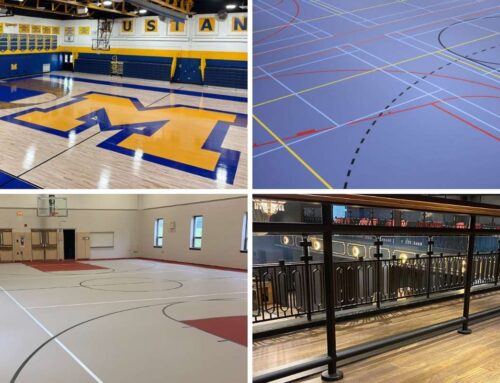
When it comes to designing or upgrading a multi-use gym, flooring is one of the most critical investments. The right surface not only supports performance but also ensures durability, safety, and long-term value. Among the top contenders are rubber flooring (synthetic options) and hardwood flooring. Each brings unique advantages, and understanding these differences will help facility managers, athletic directors, and board members make the right choice for their space.
Understanding the Needs of a Multi-Use Gym
Multi-use gyms aren’t just basketball courts, they are community hubs. These spaces host athletic events, assemblies, group workouts, recreational activities, and sometimes even non-sport functions like fundraisers or performances. Because of this, gym floors must balance durability, safety, versatility, and performance.
Additionally, these facilities serve diverse groups: students, competitive athletes, recreational users, staff, and the general public. Flooring must meet the needs of all, without sacrificing quality or longevity.
Synthetic Gym Flooring: Versatile, Resilient, and Low-Maintenance
 Durability and Impact Resistance
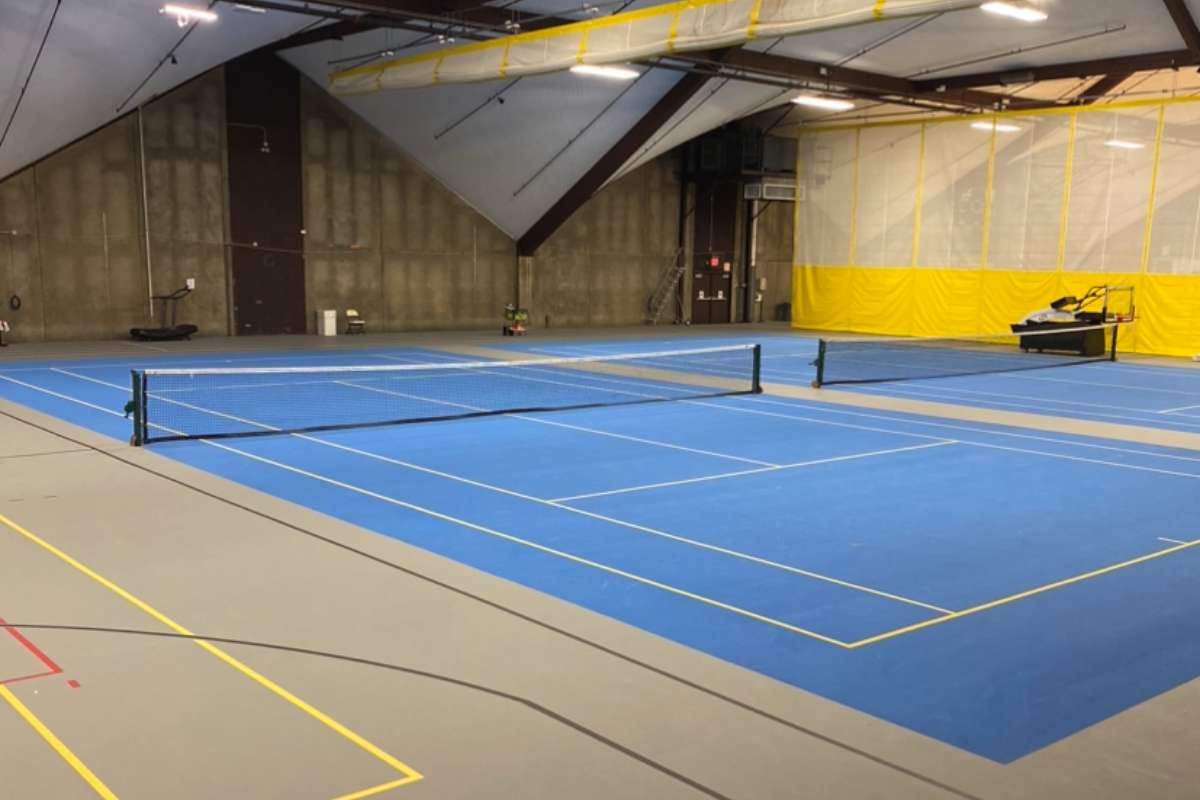
Synthetic flooring is built for heavy use. For example, most Robbins synthetic floors come with a 25-year warranty, far outlasting the traditional hardwood system warranty. Rubber and other synthetic surfaces are multipurpose by nature, handling everything from fitness training to assemblies with minimal wear and tear.
Slip Resistance and Safety
A common misconception is that synthetic floors are more slippery than wood. In reality, their slip coefficient matches that of hardwood right from installation. Another common misconception is that they do not offer resilience. Technological advances have pushed synthetic surfaces to help reduce joint strain, making them a safer option for both young athletes and older adults.
Low Maintenance
Unlike hardwood, synthetic floors don’t require refinishing or sealing. Regular sweeping, vacuuming, or mopping is typically enough. If the surface is ever damaged, repairs are seamless and cost-effective.
Visual Appeal and Customization
Today’s synthetic flooring is far from bland. Modern rubber tiles and rolls offer sleek aesthetics and can be customized with school colors, logos, and sport line markings to reflect a facility’s brand identity.
Hardwood Gym Flooring: Classic Performance and Aesthetic Appeal
 High-Performance for Traditional Sports
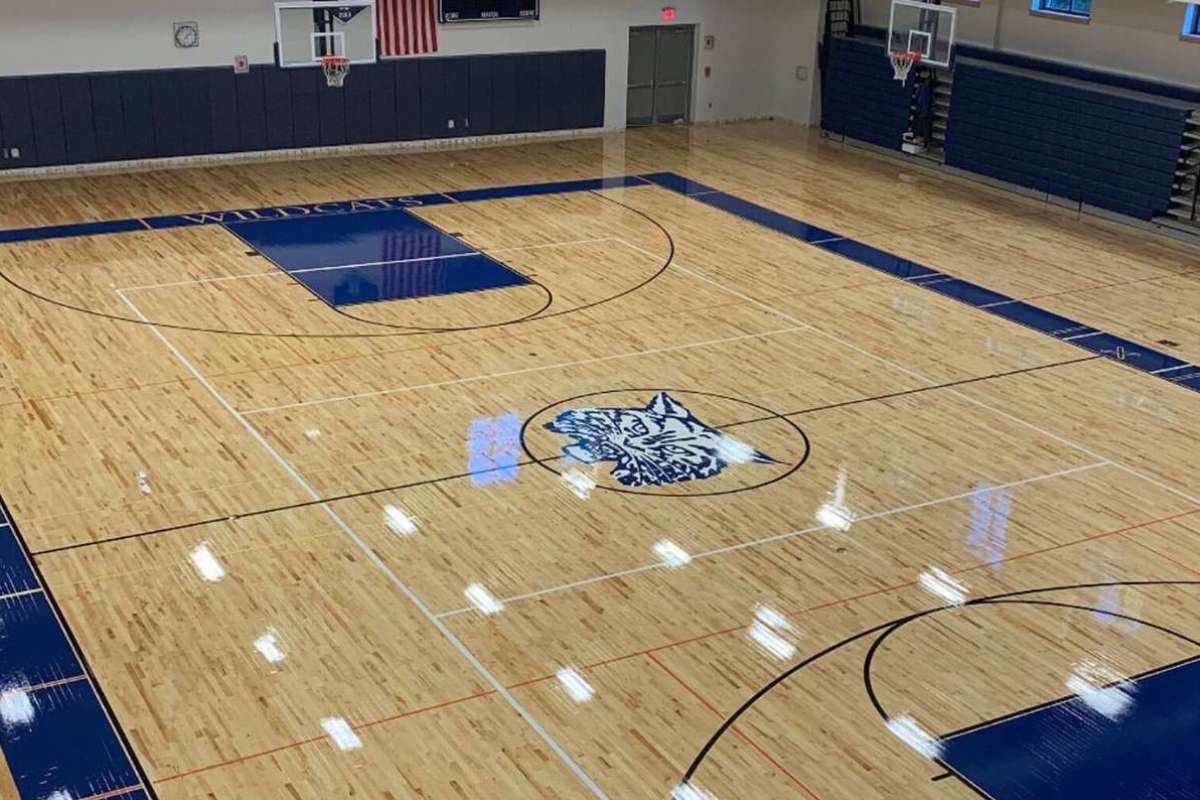
Hardwood remains the gold standard for competitive sports like basketball and volleyball. It offers unmatched ball bounce consistency and athlete traction, making it the surface of choice for collegiate programs and professional-level training.
Timeless Aesthetic
Nothing matches the polished look of a hardwood gym floor. Its professional finish enhances the prestige of a facility, creating an impression of tradition and excellence.
Customization Options
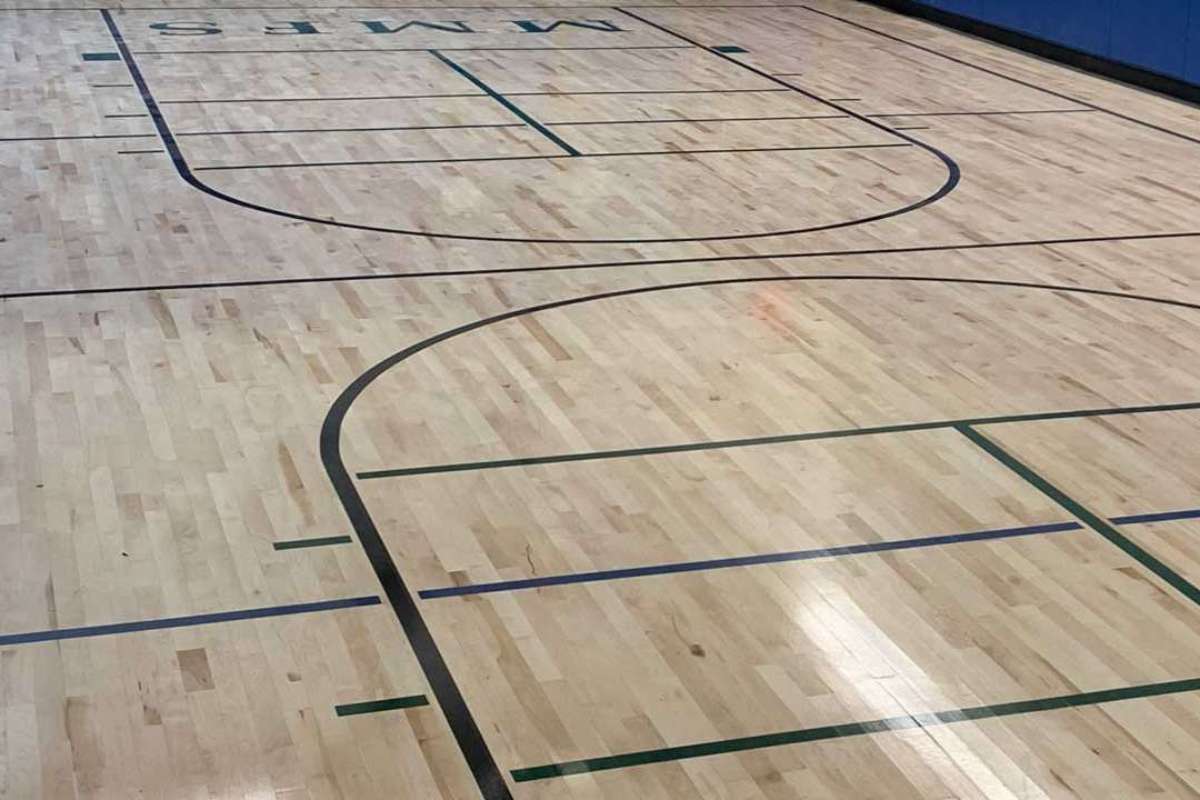
Hardwood can be easily enhanced with game lines, team logos, or custom finishes. For schools and organizations looking to brand their athletic programs, hardwood offers high visibility.
Maintenance Requirements
However, hardwood does demand commitment if you would like the floor to stay in good shape. Annual recoating, refinishing every few years, daily sweeping, and strict moisture control are essential to maintain its performance and appearance. Exposure to water or fluctuating humidity can quickly compromise the surface.
Less Versatile for High-Impact or Heavy Equipment Use
Hardwood is not ideal for gyms that host weight training, fitness classes, or rugged activities. Heavy equipment can cause dents, scratches, or permanent damage, making it less adaptable for multi-use environments.
Which Should You Choose?
 Choose Synthetic Flooring If
- Facility prioritizes multi-use needs
- Lower maintenance and long-term cost-efficiency is a must
- Noise reduction and shock absorption are important
- A tighter budget for original installation
- The facility has diverse activities and high user turnover
Choose Hardwood Flooring If
- Main use is court-based sports at a competitive level
- A premium look is part of the brand or school image
- Staff is prepared to handle maintenance requirements
- Facility is focused more on performance than equipment-based training
Let Endurance Help You Make the Right Choice For Your Multi-Use Gym Flooring
Ultimately, there’s no universal “best” flooring, only the option that best fits your facility’s goals and daily needs. Whether you need the versatility of synthetic flooring or the classic performance of hardwood, the right decision will set your gym up for long-term success.
At Endurance Flooring, we specialize in high-performance flooring solutions tailored to multi-use facilities. Our team can help you evaluate your needs, weigh your options, and install the perfect surface to support your athletes, staff, and community.
Ready to upgrade your gym? Contact Endurance Flooring today and let us help you make the right choice.