How To Recognize Sports Flooring Issues Before They Affect Play
A well-maintained sports floor isn’t just an aesthetic feature—it’s a critical component of athlete performance, facility safety, and long-term flooring investment. Whether in gymnasiums, recreation centers, or competitive sports complexes, flooring endures constant wear. The earlier a facility manager or athletic director can identify potential issues, the better the outcome for athletes and operational budgets.
This guide explains how to spot the early warning signs of sports flooring problems—before they escalate into costly repairs or impact game play.
Why Proactive Sports Floor Monitoring Matters
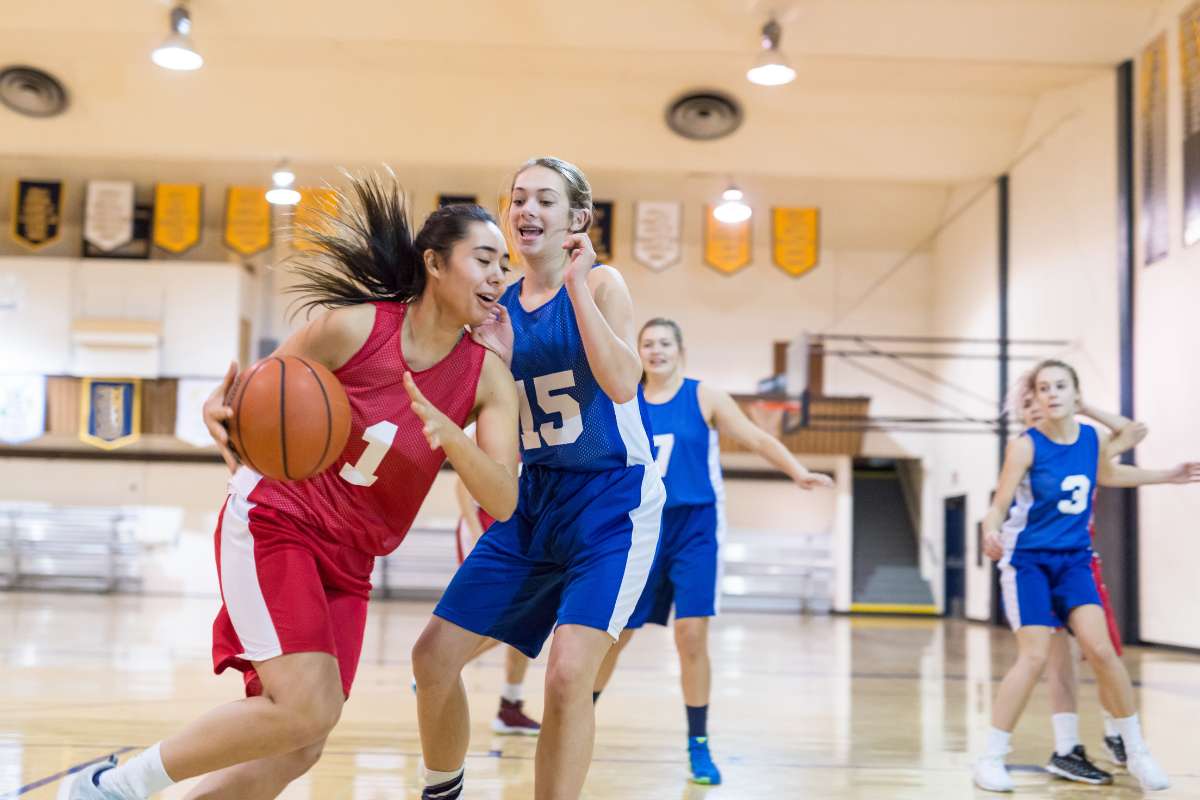 Sports flooring withstands significant and repeated stress. From the impact of running and jumping to the movement of bleachers, equipment, and daily foot traffic, your gym floor is constantly working. Environmental conditions such as indoor humidity and temperature shifts add another layer of strain.
When issues go unnoticed, facilities face risks including:
1. Athlete Injuries and Liability Concerns
A gymnasium floor with inconsistent traction, soft spots, or surface distortions becomes a hazard. Identifying issues early helps protect athletes and reduces the potential for injury-related liability.
2. Protection of Your Flooring Investment
Quality maple and high-performance synthetic systems are long-term investments. Early detection prevents small issues—such as minor cupping or worn finish—from turning into large-scale repairs or full replacements.
3. Consistent Playability and Surface Performance
If a ball doesn’t bounce correctly or athletes can’t rely on traction, the integrity of the game is compromised. Monitoring conditions keeps performance standards steady.
4. Reduced Long-Term Costs
Addressing minor discrepancies, moisture concerns, or surface wear early helps avoid labor-intensive repairs and extends the lifespan of the entire system.
Common Signs of Sports Flooring Problems
Dead Spots or Uneven Bounce
Dead spots occur when a ball doesn’t rebound as expected, often due to:
- Subfloor compression or deterioration
- Moisture infiltration
- Adhesive failure in floating systems
- Installation issues such as improper subfloor preparation
A simple ball-drop test can be performed routinely to detect inconsistencies in floor response.
Cupping, Buckling, or Gapping Boards
These visual distortions typically signal moisture or environmental instability.
Cupping: Edges curling upward Buckling: Boards lifting off the subfloor Gapping: Separation between boards
Common causes include humidity fluctuations, water intrusion, or maple that was not correctly acclimated prior to installation. Any of these issues require prompt evaluation before movement progresses.
 Slippery or Dull Surface
A gym floor that feels slick or appears dull may indicate:
- Worn-out finish needing fresh screening and recoating
- Residue from incorrect cleaning products
- Dirt and sweat buildup
Reduced traction is a major safety concern. Annual maintenance and use of pH-neutral sports flooring cleaners are essential to restoring proper grip.
Soft Spots or Hollow Sounds
If certain areas feel more flexible underfoot or produce a hollow sound when tapped, subfloor issues may be present.
These often stem from:
- Subfloor separation
- Moisture damage
- Improper slab preparation or failure to follow concrete moisture guidelines
Because soft spots tend to spread, early detection and subfloor inspection are critical.
Visible Cracks, Splits, or Discoloration
Cracks or splits in the maple surface are signs of structural stress or dryness. Dark stains typically point to moisture intrusion—often from leaks, spills, or HVAC imbalances. Immediate localized repair or refinishing helps prevent deeper damage and discoloration spreading into surrounding boards.
Environmental and Maintenance Factors to Watch
Even the best-designed flooring system relies on consistent environmental control and proper upkeep.
Humidity and Temperature Control
Athletic hardwood floors perform best within:
- 35–50% relative humidity
- Stable temperature range recommended by the manufacturer
Fluctuations cause expansion, contraction, cupping, and gaps. Monitoring humidity with data-logging devices helps facility teams identify patterns and prevent seasonal issues.
 Cleaning and Product Use
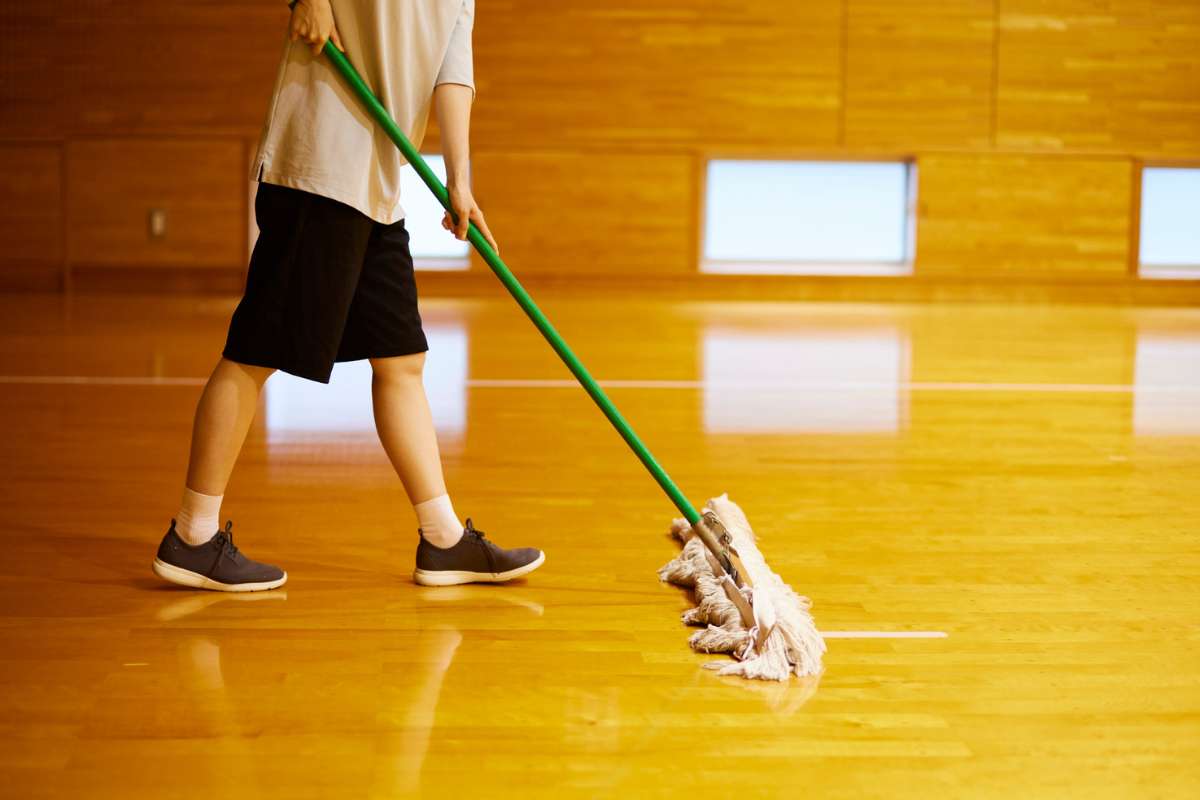
The wrong cleaning products can wreak havoc on finishes.
Do:
- Use pH-neutral cleaners designed for sports floors
- Follow daily, weekly, and deep-clean schedules
- Train staff on proper dilution and equipment use
Avoid:
- Wax-based products
- Oil soaps
- Harsh or corrosive cleaners
Improper products can cause slipperiness, finish deterioration, and long-term surface dulling.
Foot Traffic and Usage Patterns
Sports floors often host more than athletics. Events such as assemblies, meetings, and community gatherings introduce additional wear and tear.
Protect your floor by:
- Installing walk-off mats at all entrances to capture dirt, salt, and debris
- Using protective floor covers or matting during non-sport events
When to Schedule a Professional Inspection
Even with the best in-house monitoring, experienced professionals can identify issues that untrained eyes may miss.
Facility managers should schedule:
- Annual on-site walk-throughs with an athletic flooring specialist
- Moisture and humidity diagnostics using portable meters
- Performance testing to ensure optimal ball response and traction
These proactive evaluations are essential for maintaining warranty compliance and maximizing floor longevity.
Count on Endurance For Your Sports Flooring Repair and Maintenance Needs
Recognizing sports flooring issues early protects both your athletes and your investment. Staying ahead of potential problems ensures safer play, better performance, and fewer costly surprises.
Endurance Flooring specializes in the repair, maintenance, and long-term care of athletic flooring across gymnasiums, recreational centers, and large sports complexes. Our services include:
- Professional inspections and detailed performance testing
- Preventive maintenance programs tailored to your facility
- Full gym floor refinishing, resurfacing, and restoration for wood and synthetic floors
With industry expertise and decades of hands-on experience, Endurance Flooring is committed to helping you maintain a safe, durable, and high-performance athletic environment. Ready to protect your sports floor? Contact Endurance Flooring today to schedule your facility inspection.