Squash Court Flooring Maintenance Guide: Best Practices for Long-Term Performance
When it comes to squash, the court floor is more than just a playing surface—it’s a key component of the game’s speed, safety, and precision. As a national leader in squash court construction, we’ve worked with squash facilities across the country, from professional clubs and universities to private training centers. One universal truth applies everywhere: proper court maintenance is essential to preserve play quality, athlete safety, and the integrity of your investment.
The Basics of Squash Court Flooring
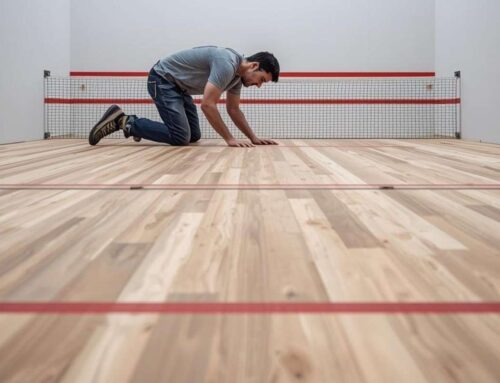
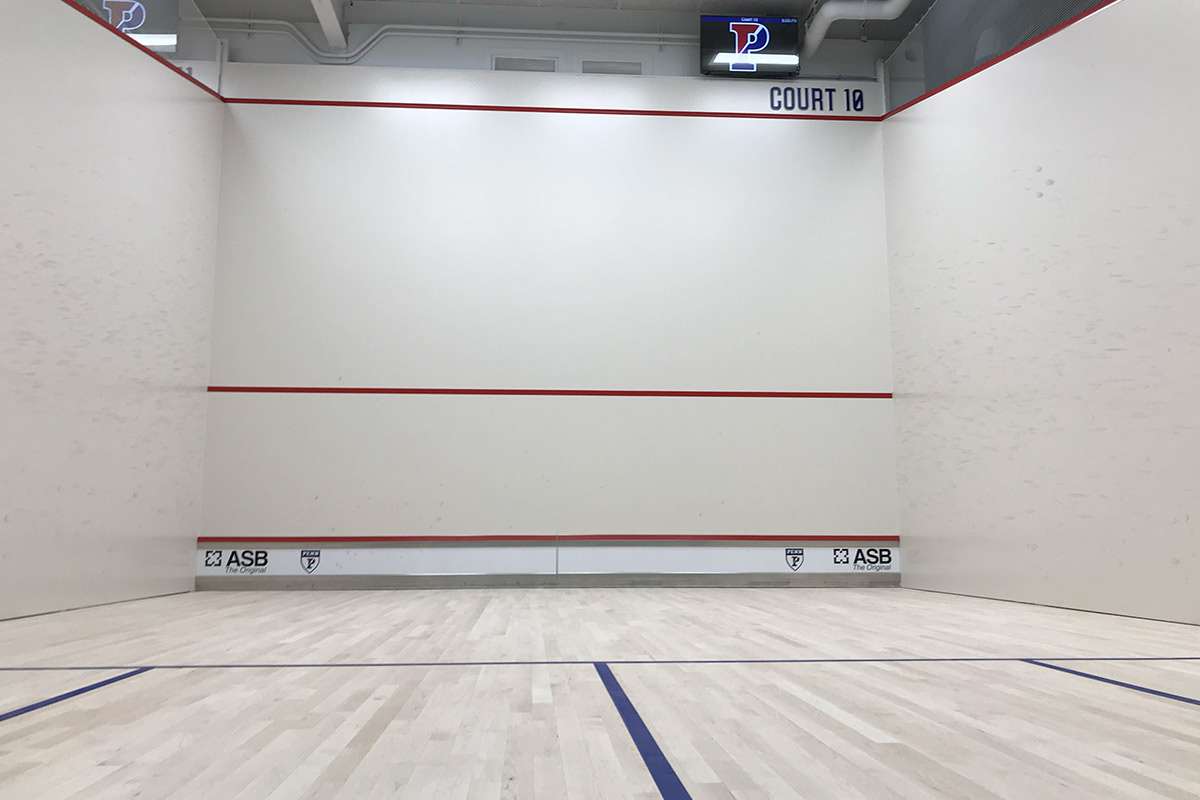
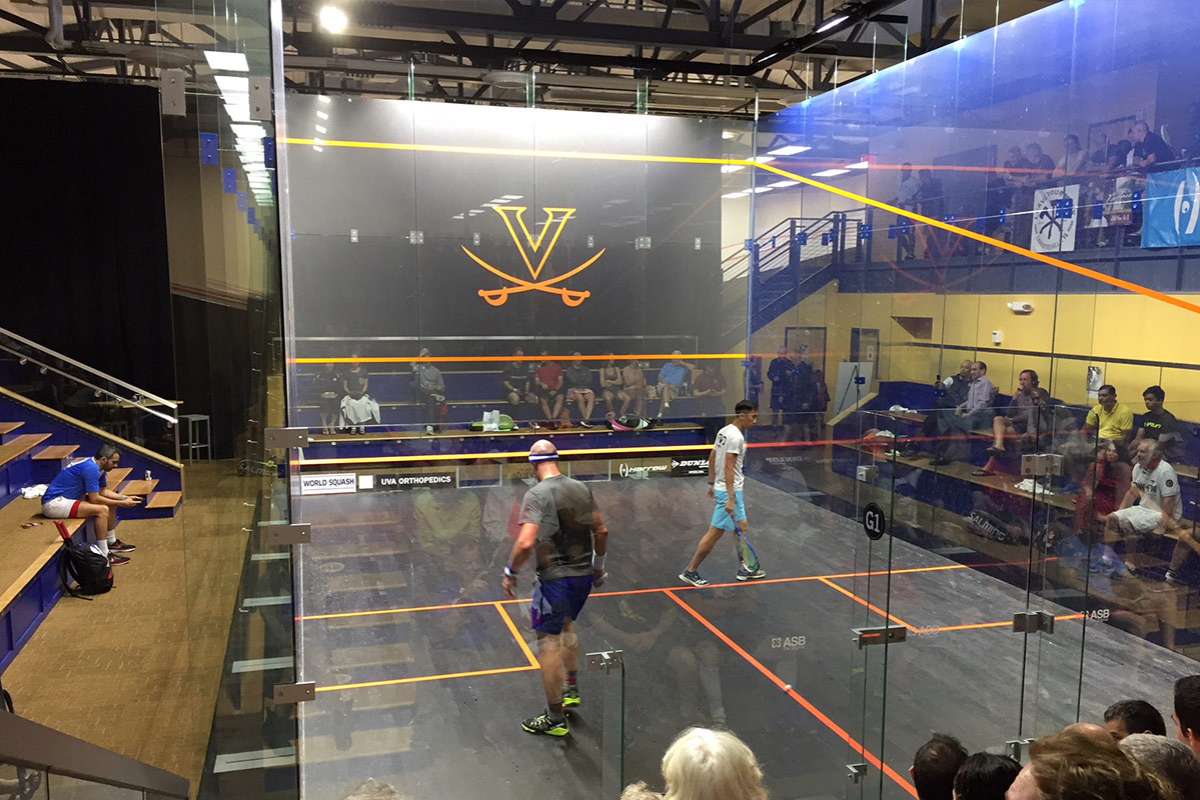 Most squash courts are built with high-grade maple hardwood, a material valued for its exceptional durability, traction, and shock absorption. These floors are unfinished, and provide more grip and grit than a basketball court or a performing arts room. A resilient subfloor gives the ball and players enough bounce throughout the match.
However, squash courts endure constant stress—friction from player movement, exposure to sweat and humidity, and the impact of repeated play. Without regular upkeep, these factors can quickly diminish floor integrity, leading to dullness, uneven surfaces, and potential safety hazards.
Routine squash court maintenance keeps the court’s natural beauty intact, reduces repair expenses, and ensures consistent playability for years.
Recommended Squash Court Flooring Maintenance Guidelines
1. Daily Maintenance
Sweep and Dust Mop Regularly
Use a microfiber dust mop daily to remove grit, dust, and fine debris. Avoid traditional brooms or mops, which can push dirt into the grain or scratch the surface. Fine particles act like sandpaper underfoot, wearing down the wood and dulling its natural traction.
Check for Spills and Sweat
Moisture is a court’s biggest enemy. Immediately wipe away any water, sweat, or spills using a lightly damp microfiber mop. Refrain from introducing moisture to the squash court floor, like a wet towel or gym floor cleaner. Standing moisture can lead to slick spots, stains, or even warping.
Maintain Proper Climate Control
Keep the facility’s climate between 40–60% humidity and 65–75°F. Excess humidity can cause boards to cup or expand, while dry air can make them crack. An automated HVAC or dehumidifier system helps maintain these conditions consistently.
 2. Weekly and Monthly Maintenance
Inspect and Remove Scuff Marks
Check for black scuff marks weekly. These can usually be removed with a white pad or a tennis ball, but never use abrasive scrubbers. Persistent scuffing is often a sign that players’ shoes need better cleaning before entering the court. A tennis ball on the end of a broomstick will remove a majority of dark marks from the court.
Monitor Court Lines and Finish
Watch for fading lines, dull patches, or uneven sheen. These may signal it’s time to recoat or refinish. Regular inspection allows facility managers to plan preventive maintenance rather than react to damage later.
3. Seasonal or Annual Maintenance
Full Sanding and Refinishing
Depending on usage, a sanding and restriping should be done every 4-6 years. This process removes deep scratches, evens out imperfections, and refreshes both the finish and game lines. Because these floors have no sealer or finish, the sand is not as extensive. Always hire a professional sports flooring contractor to ensure compliance with squash court standards and optimal results.
Repair Damaged Boards
Replace any cracked, warped, or splintered boards promptly. Uneven surfaces not only impact performance but also pose tripping hazards. Annual inspections help identify issues before they worsen.
Other Preventative Measures for Squash Court Longevity
Establish a Clean-Shoe Policy
Require all players to wear non-marking indoor court shoes only. Encourage shoe cleaning before entry to minimize dirt and grit—two major culprits in surface wear.
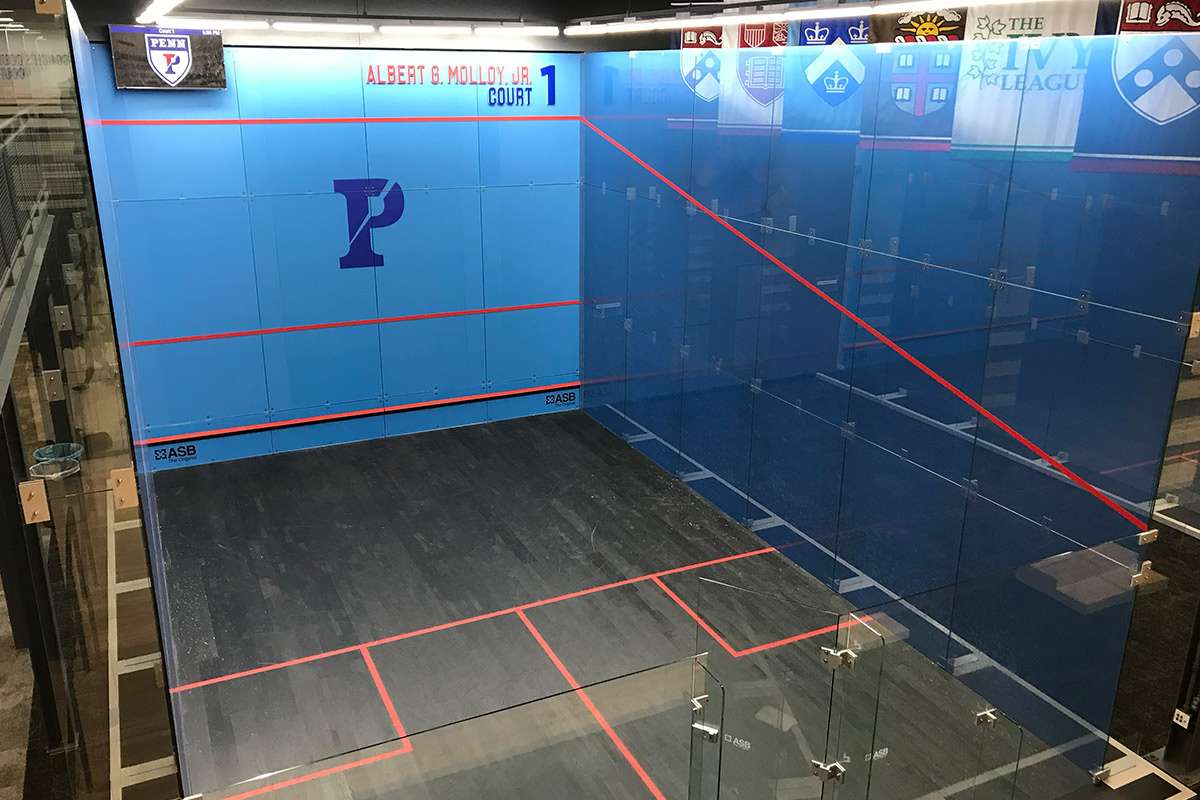 Use Entrance Mats and Court Covers
Install mats outside the entrance to trap debris and consider protective court covers during non-play events or maintenance work. This simple step dramatically reduces surface damage over time.
Avoid Harsh Chemicals and Abrasives
Never use bleach, wax, or household cleaning agents on your court. Stick to manufacturer-approved products designed for athletic wood surfaces to protect both the coating and underlying wood.
Schedule Routine Professional Inspections
Have your court professionally inspected annually. A trained technician can identify early signs of moisture intrusion, uneven finish, or wood fatigue—helping you avoid expensive repairs and downtime.
Discover Endurance Flooring’s Premier Squash Court Flooring Solutions
Your squash court is more than just a play surface—it’s a long-term investment in quality, player safety, and performance. At Endurance Flooring, we specialize in the installation, refinishing, and maintenance of squash courts across America. Our team combines precision craftsmanship with advanced materials to deliver flooring systems built for endurance.
If your court is showing signs of wear, or you’re looking to set up a proactive maintenance plan, schedule a professional consultation with our experts.
Contact Endurance Flooring today to explore tailored care programs that keep your courts tournament-ready year-round.