Why Slip Resistance Testing for Sports & Dance Floors Matter
Slip resistance is one of the most critical—and often misunderstood—performance characteristics of athletic and dance flooring. Whether the space is a competitive gymnasium, a school multipurpose room, or a professional dance studio, the right level of traction directly affects safety, movement quality, and long-term performance. Floors that are too slick increase fall risk, while floors with too much grip can create just as many problems for athletes and dancers.
In active movement environments, traction control isn’t optional. It’s essential. Slip resistance determines how confidently users can run, cut, jump, pivot, spin, and land. This article explains what slip resistance is, how it’s measured, why testing matters, and how slip resistance ratings differ between sports and dance floors—so facility owners can make informed decisions when selecting or evaluating flooring systems.
What Slip Resistance Is and How It’s Measured
Slip resistance refers to the amount of traction created between footwear (or bare feet) and the floor surface. It’s the resistance that prevents slipping when force is applied during movement. In athletic and dance environments, this resistance must be carefully engineered to support both safety and performance.
Slip resistance is measured through friction testing. These tests evaluate how much force is required to move across a surface under specific conditions. The primary metric used is the coefficient of friction (COF), which quantifies the interaction between the floor and the moving body.
There are two main types of slip resistance measurements: static and dynamic. Static slip resistance measures traction when movement is just beginning—essentially how much force it takes to start sliding. Dynamic slip resistance measures traction while movement is already occurring, which better reflects real-world athletic and dance activity.
Because athletes and dancers are constantly in motion, dynamic slip resistance testing provides a more accurate representation of how a floor will perform during actual use. It accounts for running, cutting, turning, jumping, and landing rather than standing still.
Why Slip Resistance Testing Matters in Sports and Dance Floors
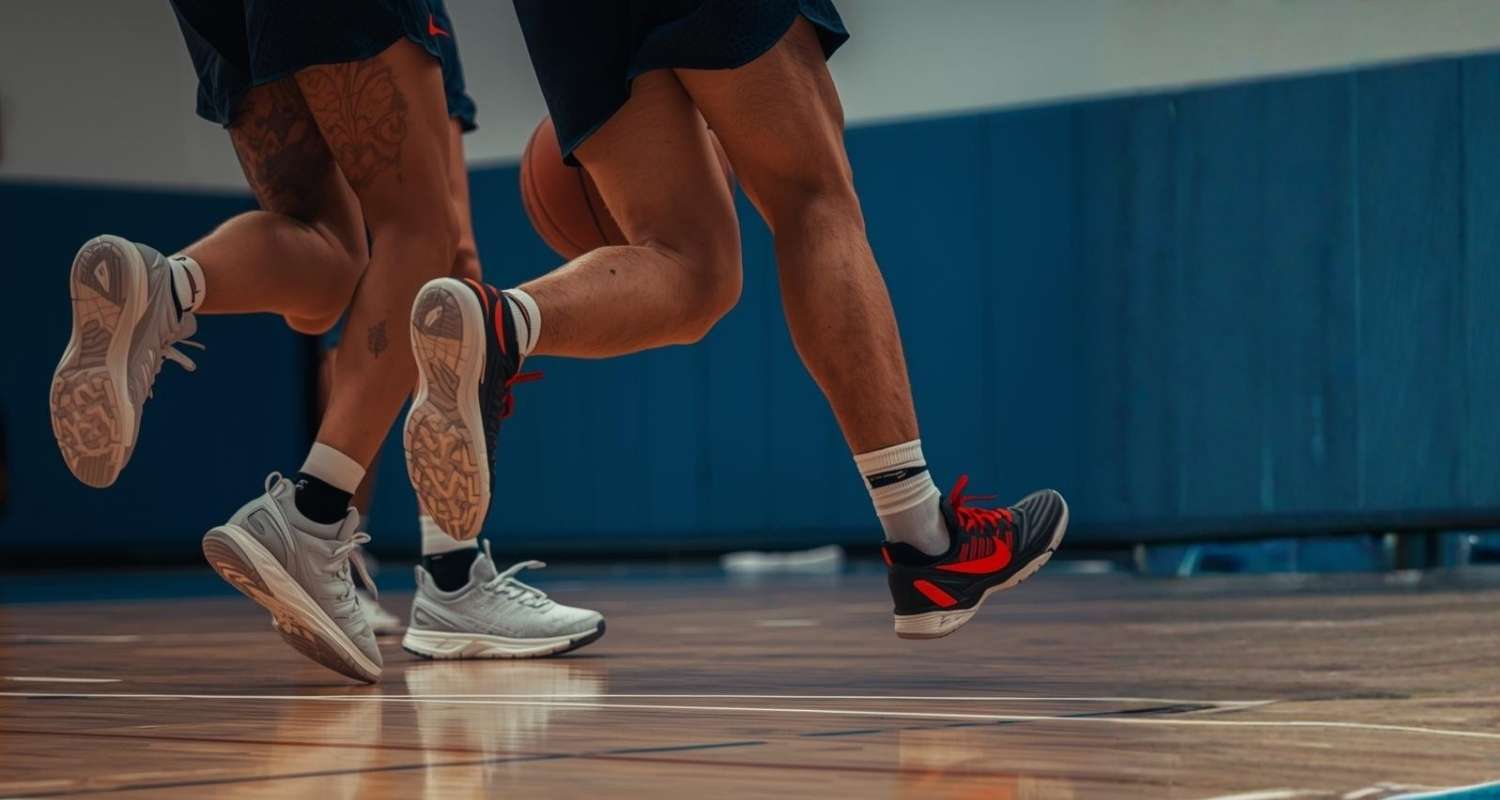
 Sports and dance floors experience intense and varied movement patterns. Quick direction changes, sudden stops, jumps, pivots, and rotations all place significant demands on surface traction. Without proper slip resistance testing, floors may perform unpredictably under these conditions.
Environmental factors also affect traction. Sweat, moisture, humidity, dust, and cleaning residues can all alter surface friction. A floor that performs adequately in dry conditions may become dangerously slick when exposed to perspiration during games or rehearsals.
Improper slip resistance is linked to a wide range of injuries, including slips and falls, ankle sprains, knee injuries, muscle strains, and joint overuse. Floors that are too slick increase fall risk, while floors with excessive grip can prevent natural movement, forcing the body to absorb rotational stress.
Performance is also impacted. Athletes who don’t trust the floor may hesitate during play, reducing speed, reaction time, and confidence. Dancers may alter technique to compensate for unsafe traction, increasing fatigue and injury risk. Proper slip resistance supports confidence, control, and consistency—allowing users to focus on performance rather than surface conditions.
How Slip Resistance Ratings Differ Between Sports and Dance Floors
Different activities require different traction profiles. A basketball court and a ballet studio may appear similar at first glance, but their performance requirements are fundamentally different. This is why a single “universal” slip resistance rating does not work across all floor types.
Sports flooring requires controlled grip to support explosive movement, fast stops, and lateral cuts. Dance flooring, by contrast, requires smoother, predictable glide to allow for turns, spins, and transitions. Using the wrong slip resistance profile for the activity can compromise both safety and performance.
Slip resistance ratings must be activity-specific. Understanding how traction requirements vary between sports and dance is essential when selecting or maintaining a floor system.
Slip Resistance Ratings for Sports Flooring
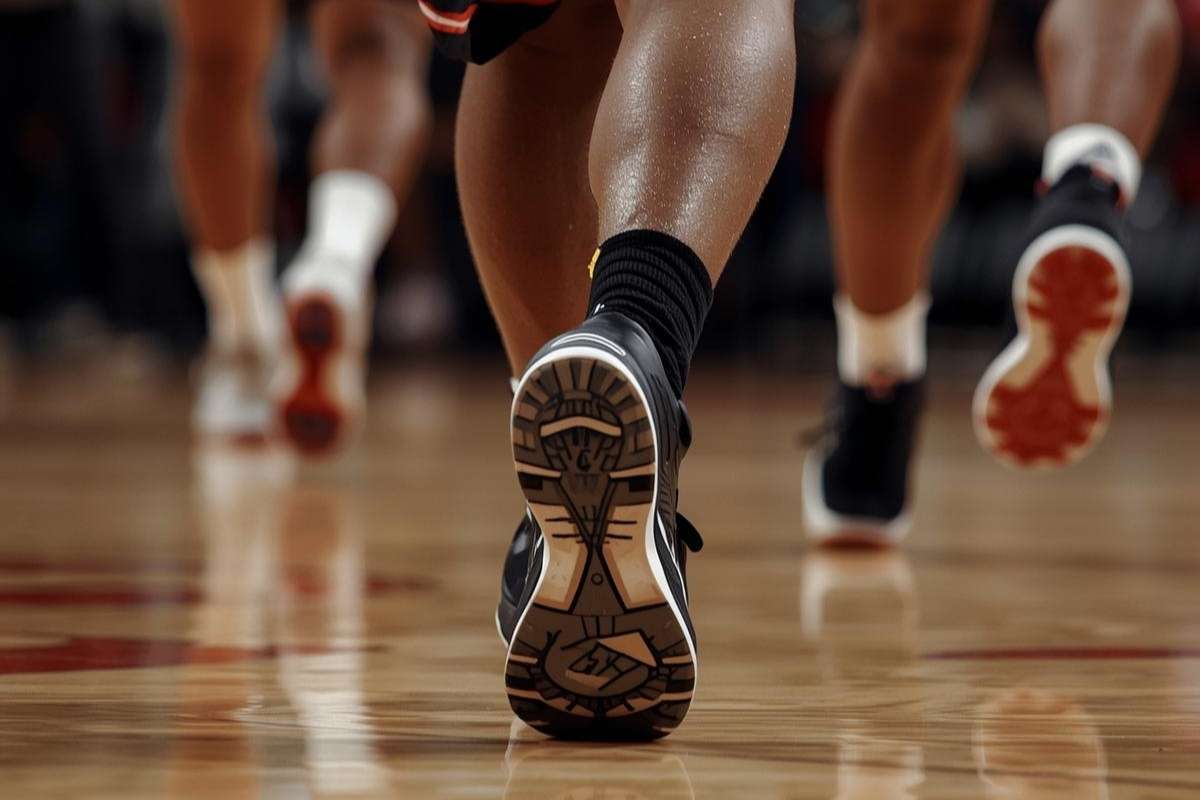
Sports floors are engineered to deliver higher levels of traction while still allowing controlled movement. Athletes rely on this grip for quick starts, sudden stops, and rapid changes in direction. Proper slip resistance supports balance and control during high-impact play.
If a sports floor has too little traction, athletes are more likely to slip during acceleration or deceleration, increasing fall risk and injury potential. Competitive play amplifies this risk, as movements are faster and less predictable.
However, excessive traction is also a concern. Floors with too much grip can “lock” the foot to the surface, increasing stress on knees, ankles, and hips. This can contribute to ligament injuries, joint strain, and long-term overuse problems.
The goal of sports flooring slip resistance is balance. The surface must provide enough grip for performance without restricting natural movement. Proper testing and rating ensure the floor supports athletic demands without creating hidden risks.
Slip Resistance Ratings for Dance Flooring
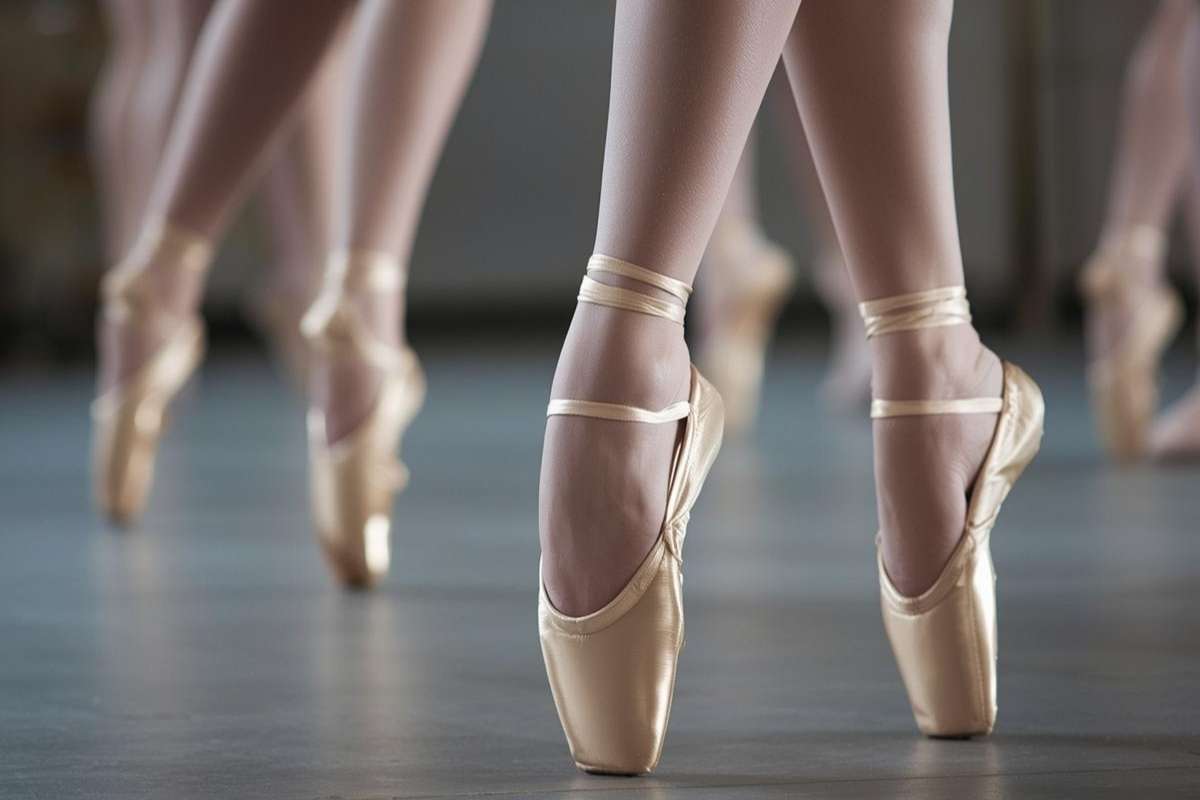 Dance flooring requires lower, more controlled friction than sports floors. Dancers depend on predictable slip to execute spins, turns, and flowing transitions. The surface must allow smooth movement while still providing enough traction for stability and landings.
Excessive traction on a dance floor can be dangerous. When a dancer’s foot cannot release properly during rotation, stress is transferred to the ankles, knees, and lower back. This increases the risk of joint injuries and chronic strain.
On the other end of the spectrum, overly slick dance surfaces are equally hazardous. Insufficient traction can lead to slips during takeoffs and landings, disrupting balance and increasing fall risk.
Because of these factors, dance floors require precise slip calibration. Slip resistance testing ensures the surface delivers consistent, predictable performance that supports technique, artistry, and dancer safety.
Slip Resistance Standards You Can Trust with Endurance Flooring
Slip resistance plays a critical role in the safety, performance, and longevity of sports and dance floors. From friction testing and coefficient of friction measurements to activity-specific traction profiles, understanding slip resistance ratings helps facility owners make smarter flooring decisions.
Endurance Flooring specializes in activity-specific flooring materials and solutions designed for real-world performance. Our sports and dance floors are engineered and tested to meet the unique slip resistance requirements of each environment—balancing grip, glide, and durability.
Facility owners, athletic directors, and studio managers should regularly evaluate current floor conditions and slip ratings, especially when renovating, expanding, or installing new flooring systems. Consulting with flooring experts before making changes can prevent costly mistakes and long-term safety issues.
If you’re planning a new installation or assessing an existing floor, contact Endurance Flooring for expert guidance and customized athletic and dance flooring solutions designed to perform safely and consistently for years to come.